

Decoration method
Custom screen printing.
Not all prints are created equal. This is the one built to last.
How screen printing works
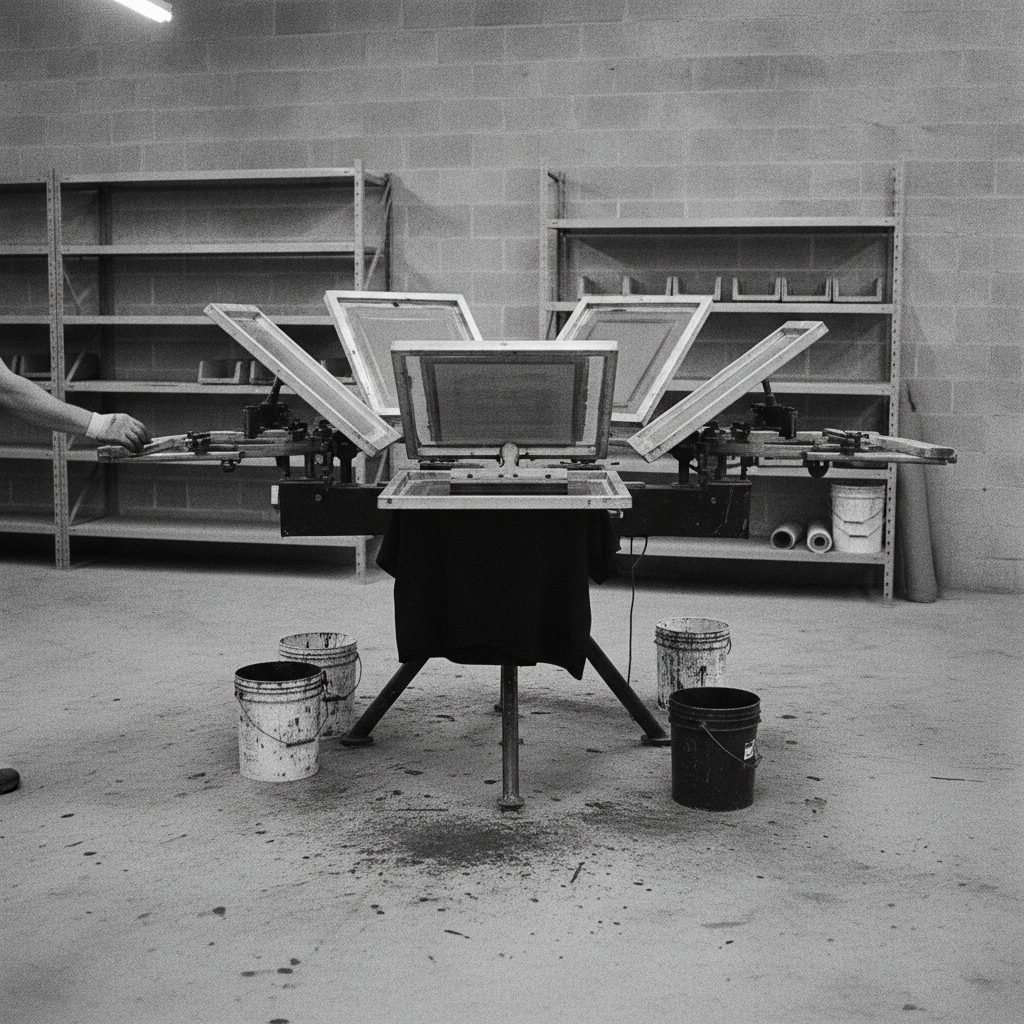
We burn a separate screen for each color in your design, then push ink through the mesh straight into the fabric and cure it with heat so it’s locked in. It’s a bit of setup up front, which is exactly why it rewards volume: once the screens are made, the more you run the cheaper each piece gets. The payoff is a bold, hard-wearing print with a proper hand feel, and a huge range of inks and finishes you simply can’t get any other way. Standard print area is up to 15 × 18 in.
The process, simplified
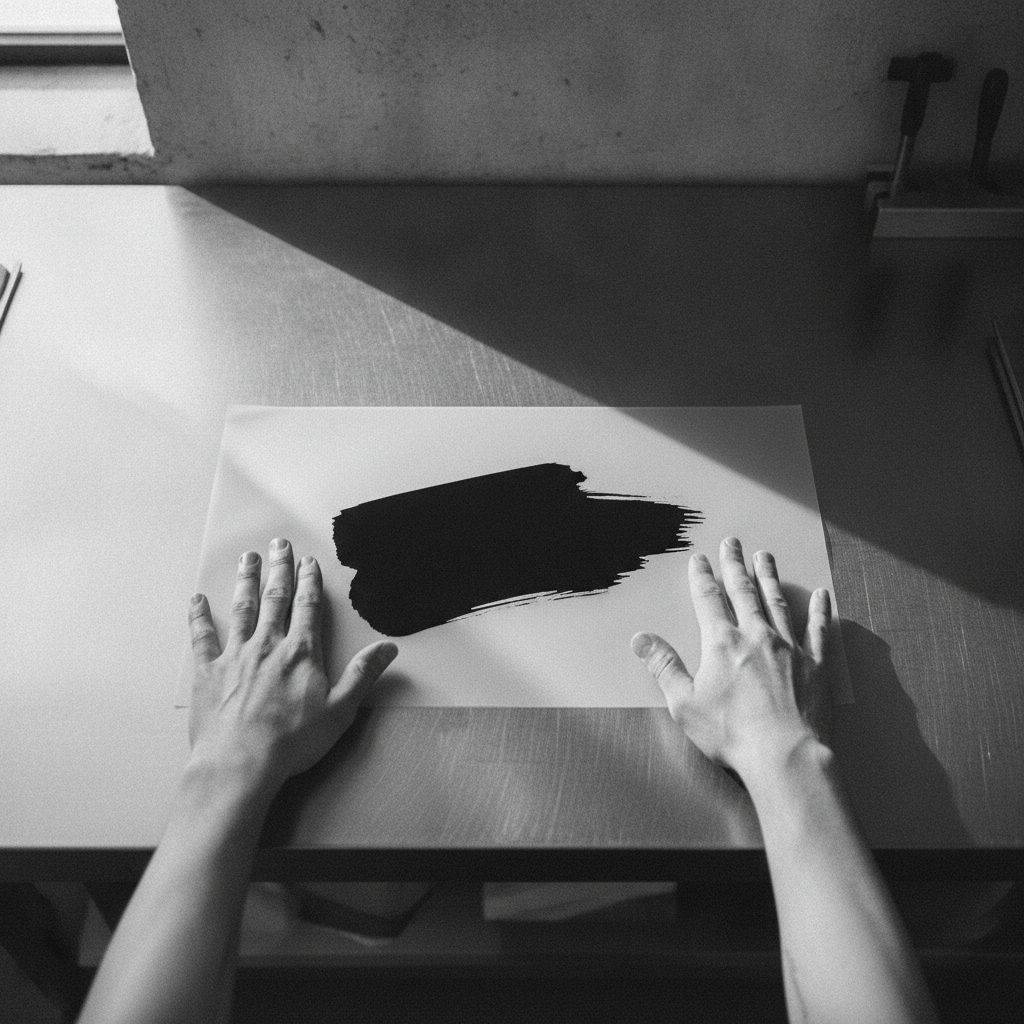
01 Artwork
Your design is separated into one screen per ink color.
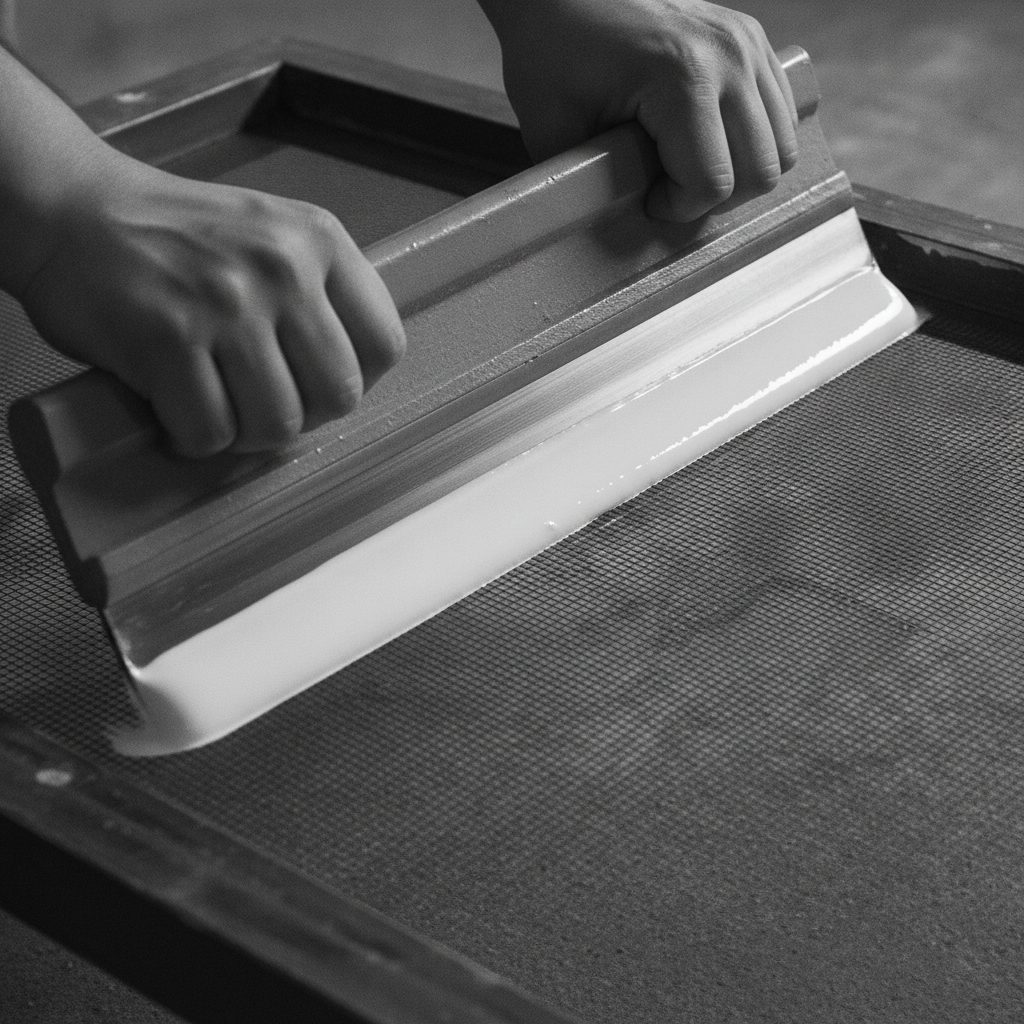
02 Print
Each color is pushed through its screen, straight into the garment.
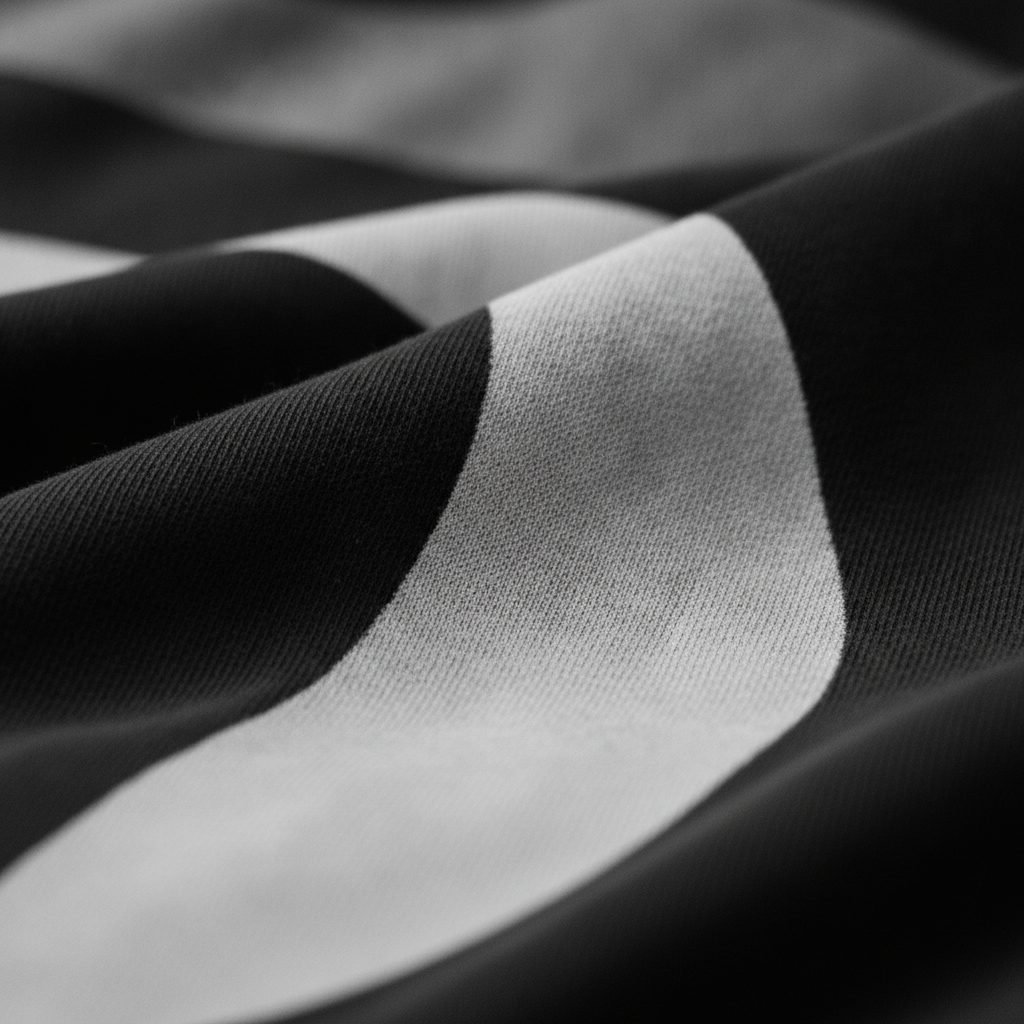
03 Cure
Heat cures the ink so it is locked in and survives the wash.
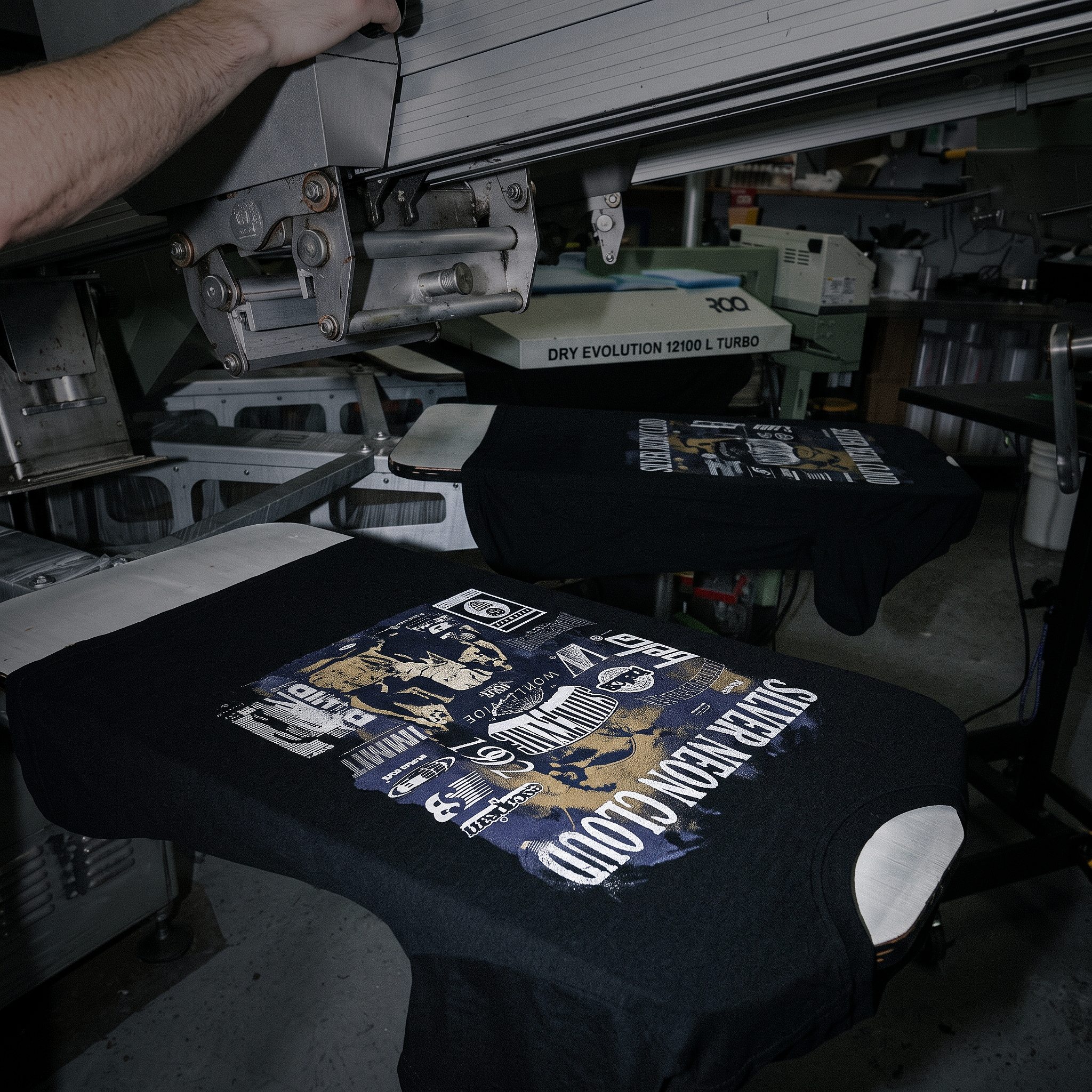
Press floor
The screen does the work
One screen per color, burned in house. Ink mixed to your Pantone code, then the press runs here in Los Angeles. Twelve pieces gets a job moving, and proof revisions are unlimited until you sign off.
Inks and finishes
Plastisol. The industry standard, and the most durable print going. The ink sits on top of the fabric rather than soaking in, so it stays bright and opaque even on black garments and layers colors cleanly. Cured at over 300 degrees, so it’s bonded for good. Best for bold, punchy artwork up to around six colors.
Water-based. Soaks into the fabric and dyes it rather than sitting on top, so there’s almost no hand feel. You can still feel the weave of the shirt. Soft, breathable and premium, and it won’t crack or chip like a heavy print. Best on light cotton and anywhere feel matters, like fashion tees and activewear.
Discharge. Strips the garment’s own dye and re-colors it in one hit, so the print becomes part of the shirt instead of a layer on top. Soft, detailed and breathable on dark cotton, and it’s how you get that washed-out vintage or cracked look while the shirt is still brand new.
High-density. A raised, sharp-edged ink that stands up off the fabric for a bold, tactile, almost 3D finish.
Puff. Ink that rises when it hits heat, for a soft, spongy, embossed look.
Foil. A real metallic finish pressed over adhesive for genuine shine.
Flocking. A soft, suede or velvet texture raised off the fabric.
Reflective & 3M. Sits flat until a light hits it, then lights up. Built for hi-vis and safety gear, and a favorite across skate, surf and streetwear.
Burnout. Eats the cotton out of a cotton-poly blend where the design sits, leaving a sheer poly ghost of the print.
Stretch & silicone. Built for activewear, spandex and performance fabric, stretches with the garment and holds up without cracking or dye migration.
Five finishes off the same press.
The list above is every ink we run. These are the five you’ll actually choose between, and what each one does to the shirt.
Plastisol
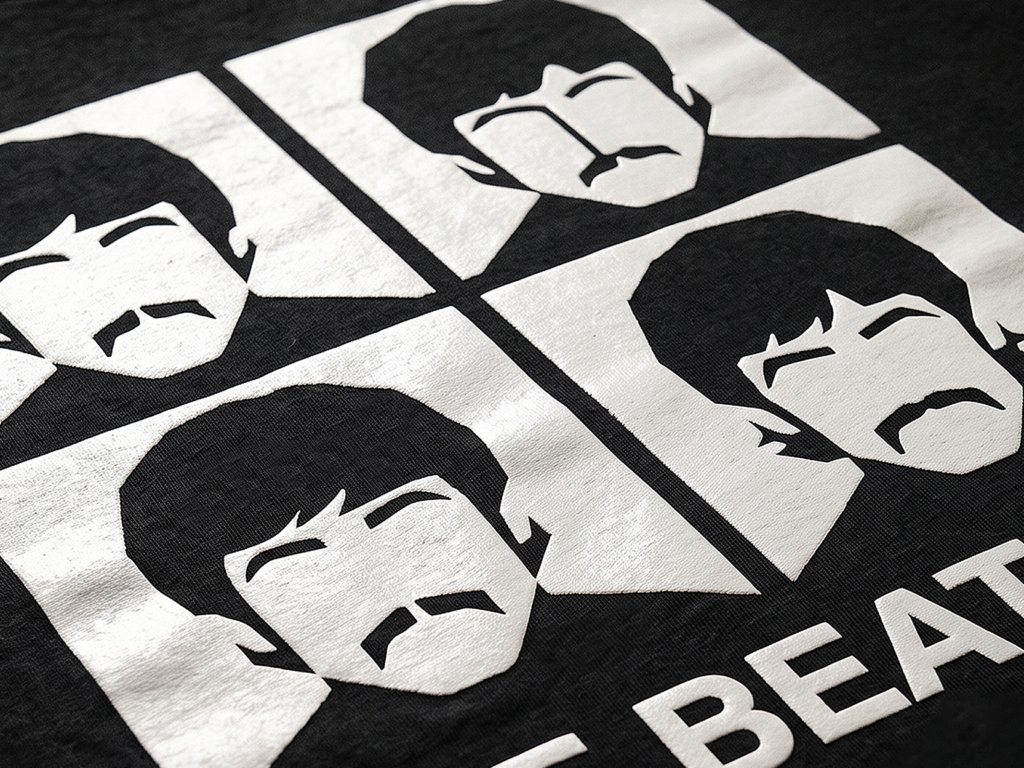
The standard, and the most durable. The ink sits on top of the fabric rather than soaking in, so it stays bright and opaque even on black. Pick a blank and it works on almost all of them.
Water-based
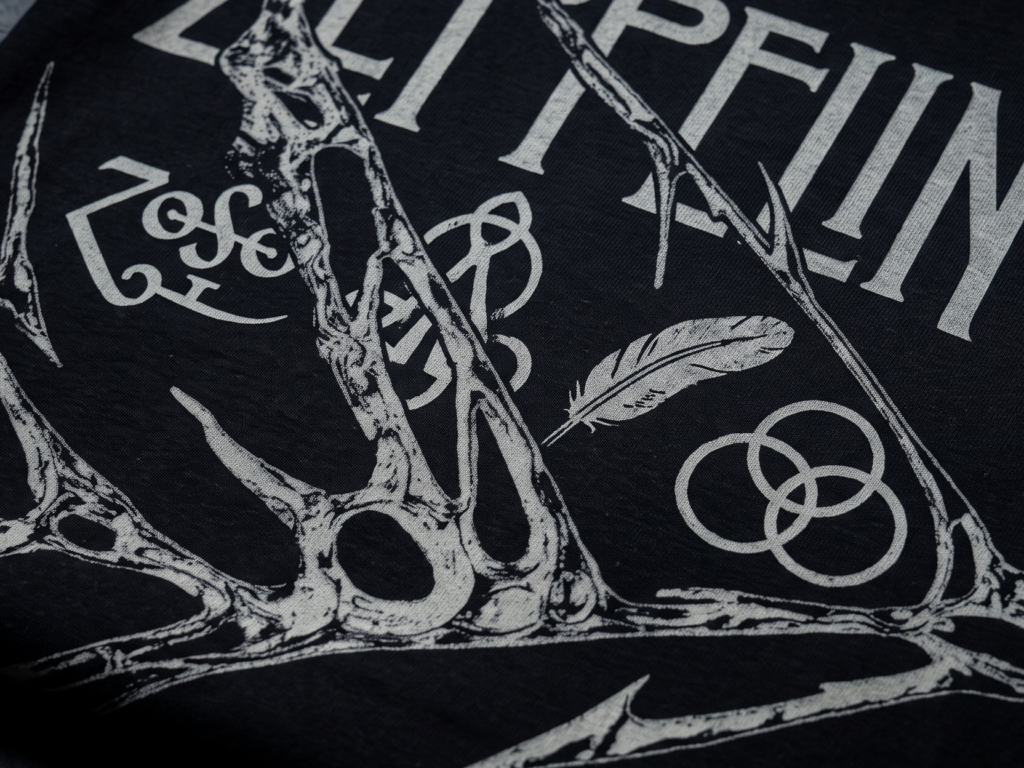
Soaks into the fabric and dyes it instead of sitting on top, so there is almost no hand feel. Best on light colors, where it disappears into the cotton.
Discharge
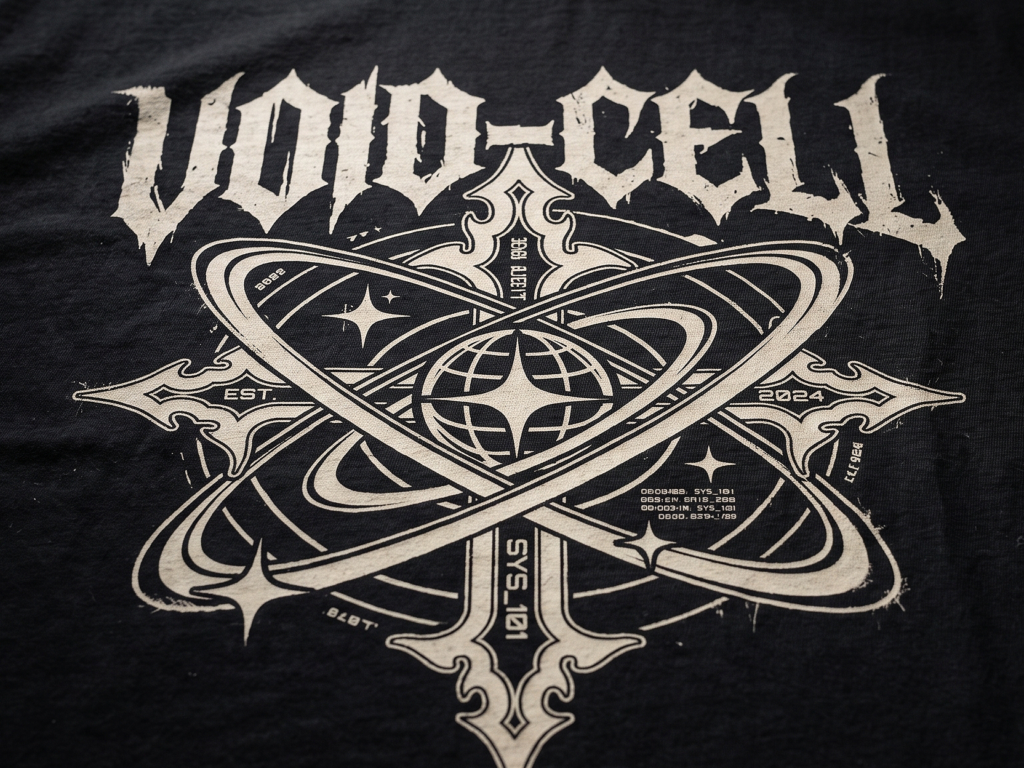
Strips the garment’s own dye and re-colors it in one pass, so the print becomes part of the shirt rather than a layer on it. Cotton only.
High-density
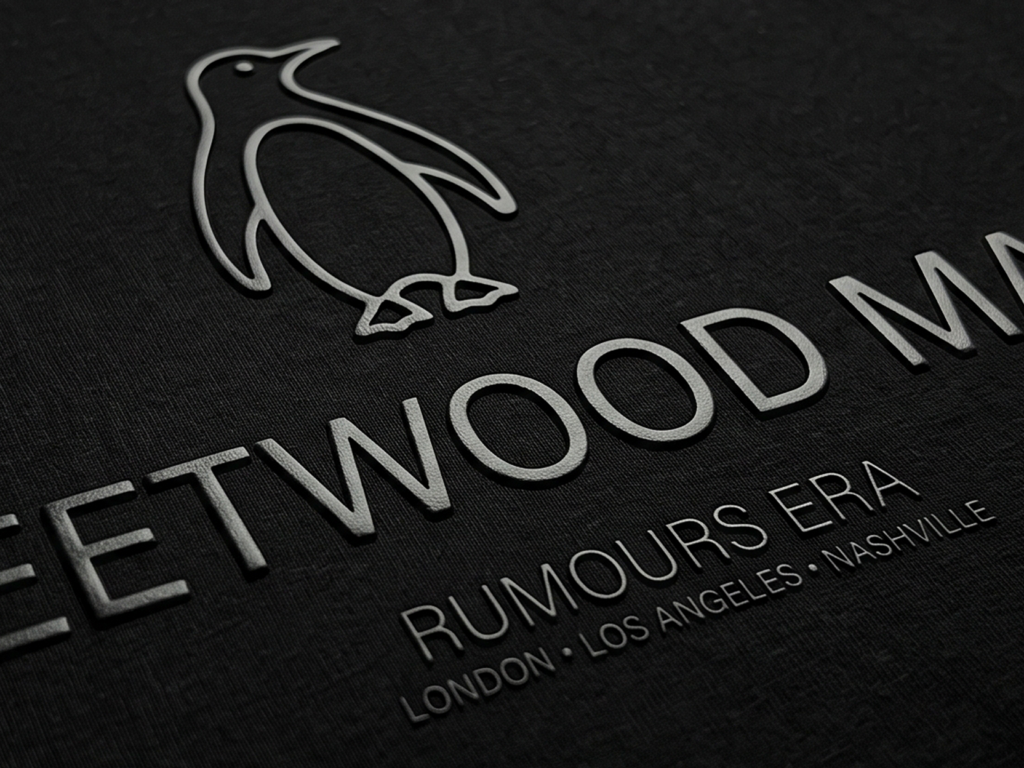
A raised, sharp-edged deposit that stands off the fabric. Reads almost 3D under a light, and it is the one people want to touch.
Puff
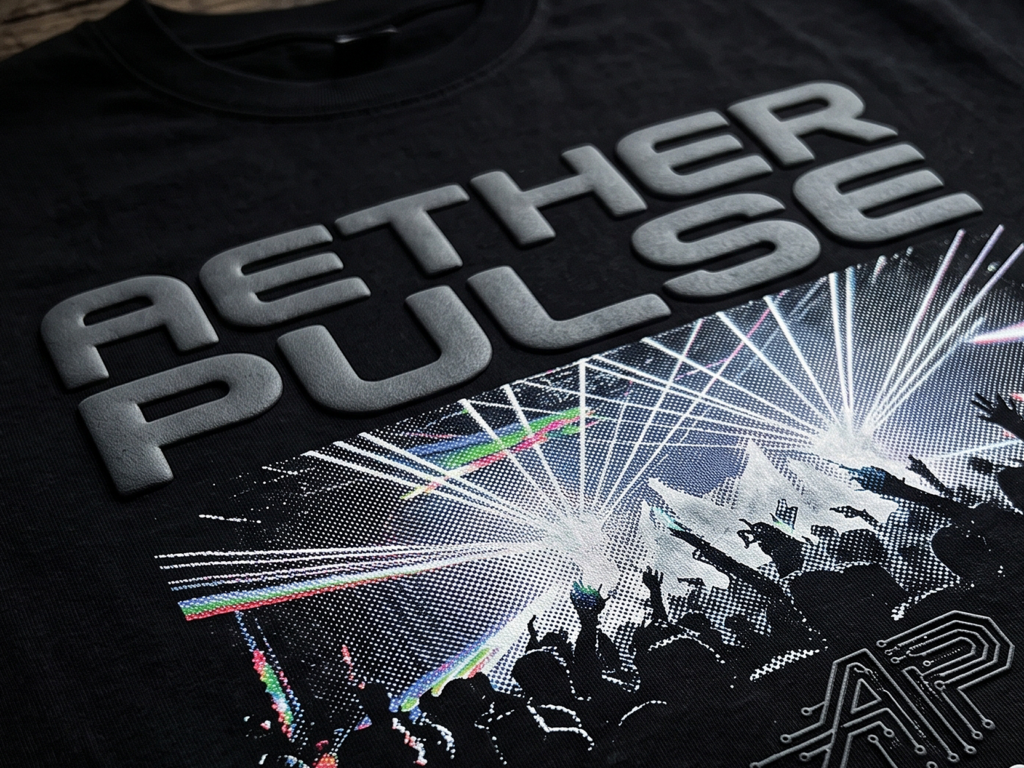
Ink that rises when it hits the dryer, for a soft embossed look. Not sure which of the five suits your art? and we’ll say.
Fabric
The right ink for the fabric
Not every ink suits every garment. Water-based and discharge react to the fabric, so we match the formula to the blank rather than forcing one recipe onto everything. Polyester and poly-blends can bleed dye up into a print (dye migration), over-dyed fabrics can shift your colors, and coated fabrics can be tricky to hold down. Tell us the garment and we’ll spec an ink that holds up.
Fabric notes
How each fabric takes ink
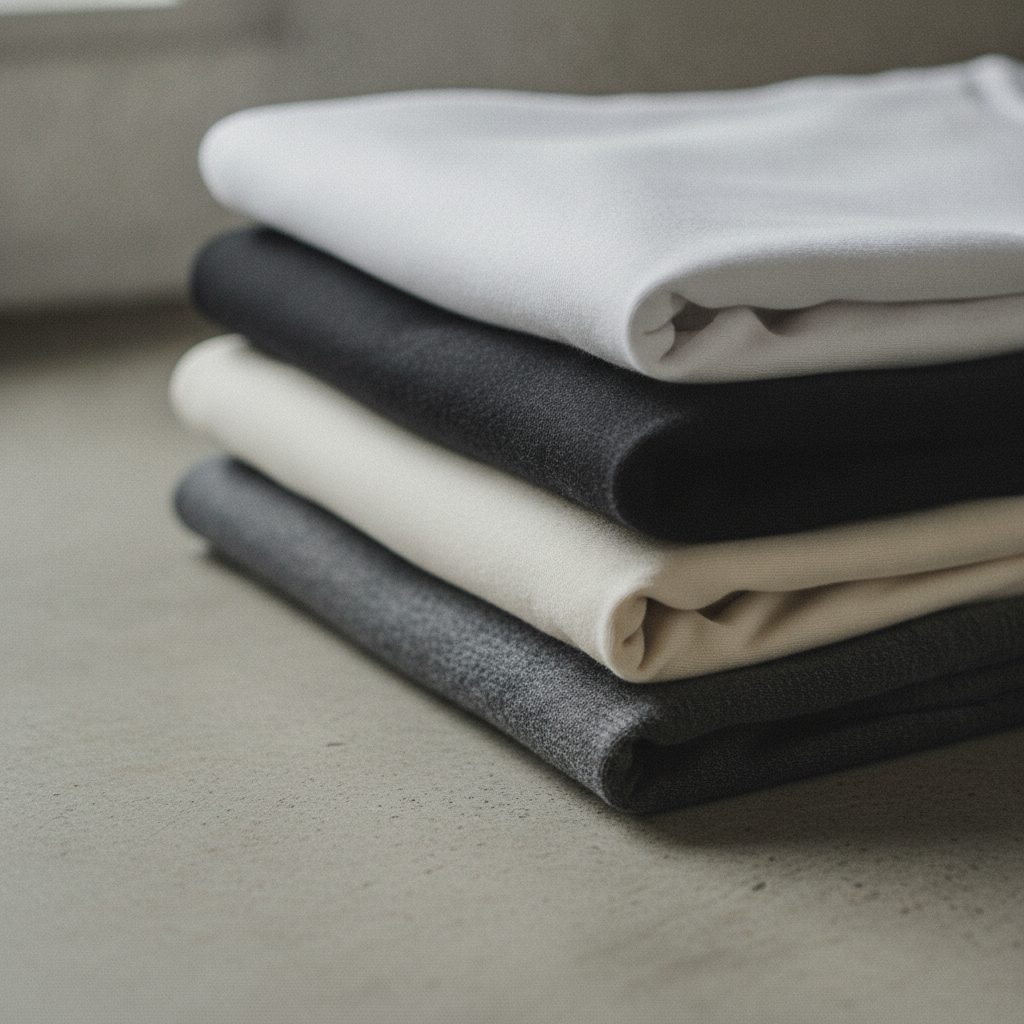
Screen print behaves one way on a smooth cotton face and another on brushed fleece.
Ringspun cotton tee
Smooth face · 100% cotton
The default blank. Holds the finest halftone we can pull, and water-based ink soaks straight into it.
Heavyweight tee
Dense knit · 100% cotton
Opaque enough that white barely needs an underbase. High-density and puff stand up well on it.
Fleece hoodie
Brushed back · cotton-poly
The pile swallows a thin deposit. We knock the surface flat and lay the ink heavier so the edges stay sharp.
Performance knit
Stretch knit · polyester
Dye migration is the risk here. Stretch and silicone inks move with the fabric and hold their color.
Before you pick
Weight tells you how a garment hangs. Fiber tells you how it prints. A smooth ringspun face will out-print a heavier, rougher blank every time.
Color count is the other half of it. We run up to 8, one screen each, and a tight two-color job on the right blank beats a busy one.
Send us the style number and we’ll tell you which ink it wants.
When to choose screen printing
Screen printing is the right call for bold, solid artwork and bigger runs. The more you print, the better the math. If your design is full-color or photographic, or you only need a handful, DTF or DTG will usually look better and cost less. We’ll tell you straight if that’s the case. Ready to pick a garment? Browse the blanks.
Color matching
Need an exact color? We match to the Pantone Matching System (PANTONE Solid Coated). Drop the PMS code in with your artwork and we’ll hit it.
Minimum order
12 pieces
Colors
Up to 8
Max print area
15 × 18 in
Delivered in
2 to 3 weeks
Blanks that take screen print
291 blanks in the catalog are set up for screen print.
-
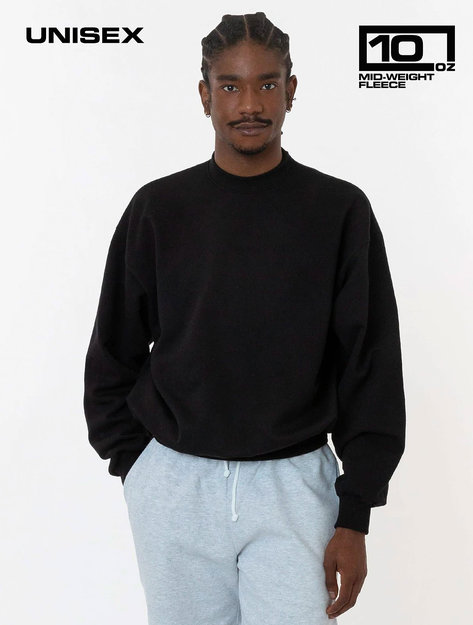
10oz Fleece Wide Crew
$61.70 – $90.732 to 3 weeks
View Product: 10oz Fleece Wide Crew -
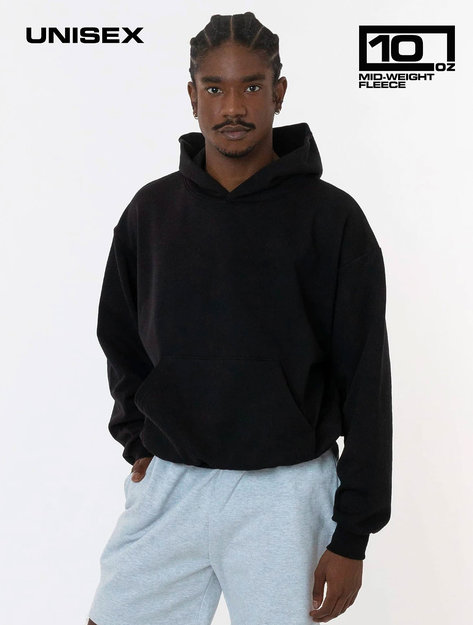
10oz Fleece Wide Hoodie
$74.18 – $104.262 to 3 weeks
View Product: 10oz Fleece Wide Hoodie -
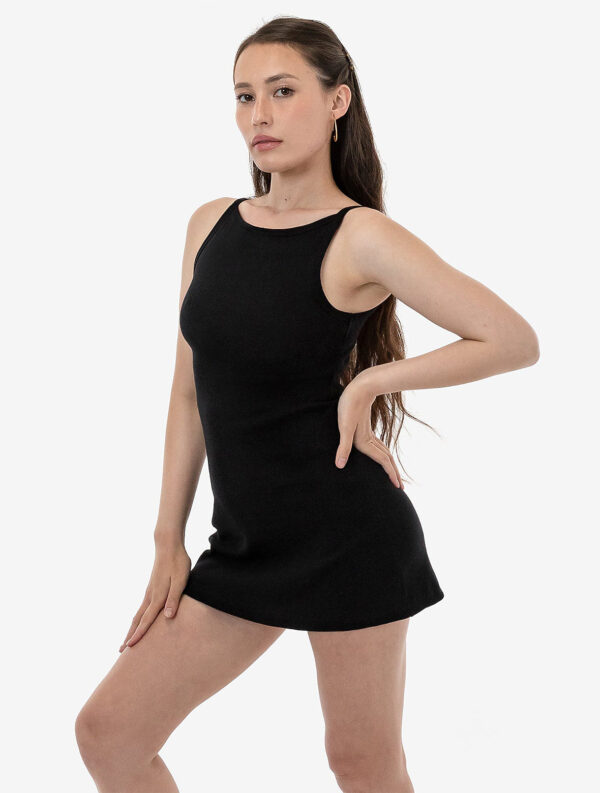
14/1RibSpaghetti BoatneckDress
$17.16 – $42.482 to 3 weeks
View Product: 14/1RibSpaghetti BoatneckDress -
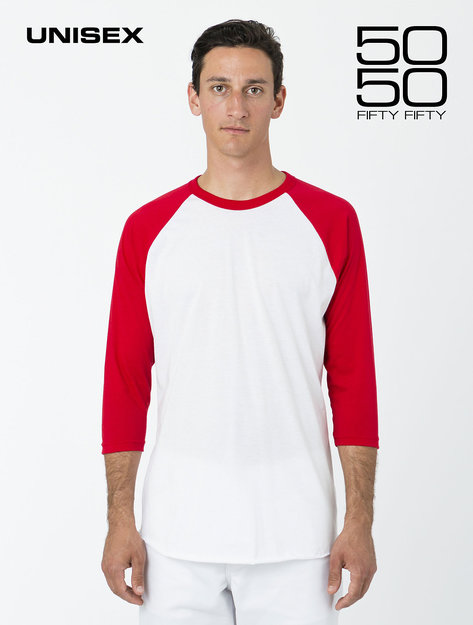
3/4 Sleeve Cotton Poly Raglan 3.8oz
$18.48 – $43.912 to 3 weeks
View Product: 3/4 Sleeve Cotton Poly Raglan 3.8oz -
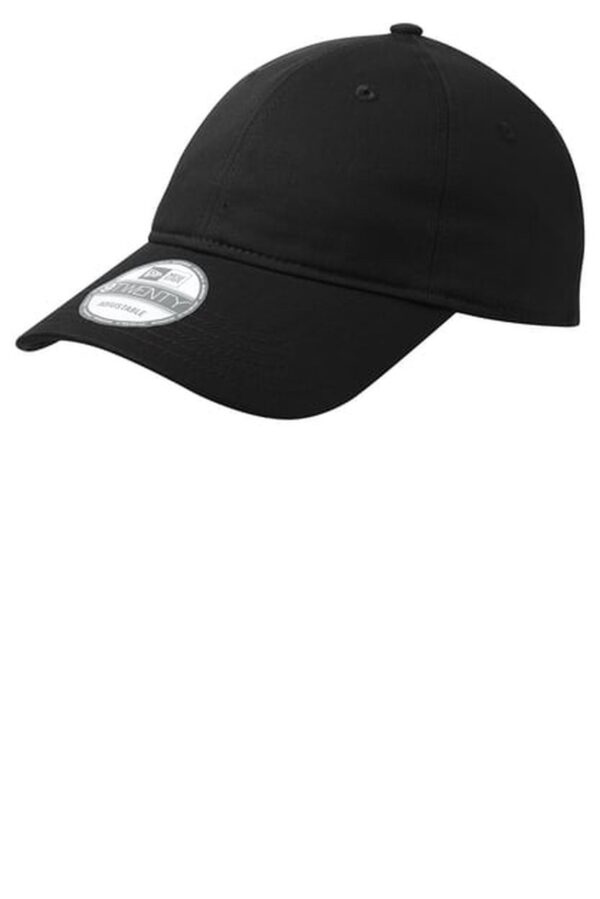
Adjustable Unstructured Cap
$18.45 – $43.882 to 3 weeks
View Product: Adjustable Unstructured Cap -
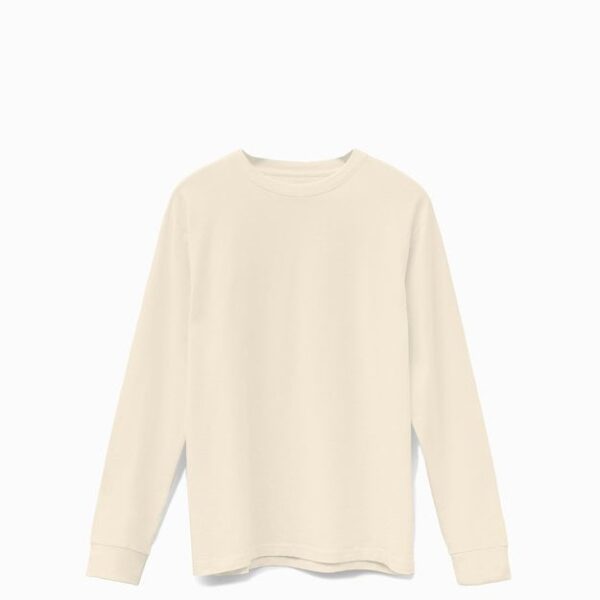
American Grown Supima® 100% Cotton 6oz Long Sleeve T-Shirt
$42.24 – $69.652 to 3 weeks
View Product: American Grown Supima® 100% Cotton 6oz Long Sleeve T-Shirt -
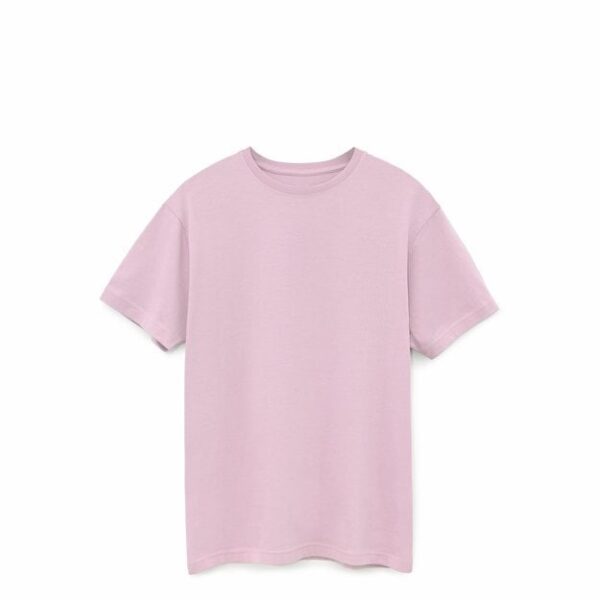
American Grown Supima® 100% Cotton 6oz T-Shirt
$31.68 – $58.212 to 3 weeks
View Product: American Grown Supima® 100% Cotton 6oz T-Shirt -
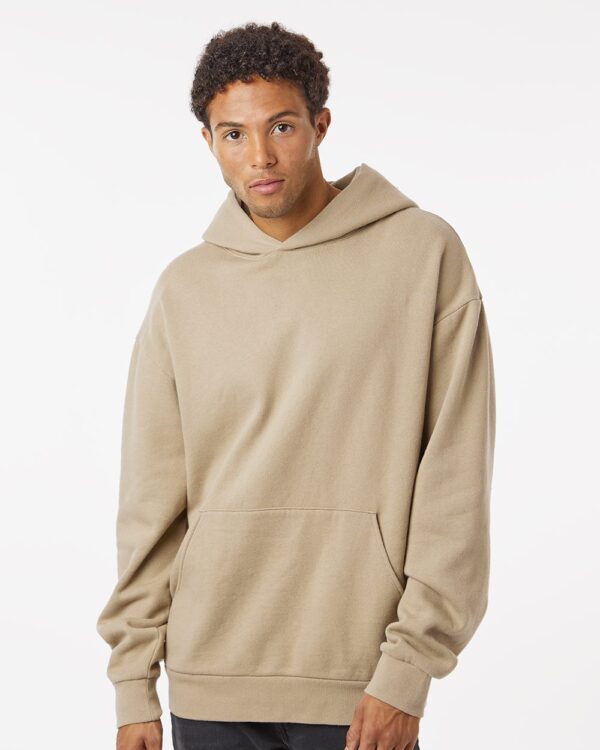
Avenue Hooded Sweatshirt
$39.47 – $66.652 to 3 weeks
View Product: Avenue Hooded Sweatshirt
Common questions
Can you print on black or dark garments?
Yes. Plastisol and high-solids water-based inks stay bright and opaque on darks, and discharge is purpose-built for exactly this.
How many colors can I have?
Priced per color and runs cleanly up to around six. More than that, or gradients/photographic detail, and DTF is the better and cheaper route.
Can you print on activewear or polyester?
Yes. We use stretch and silicone inks that move with the fabric and won’t crack, and we manage dye migration on poly.
Do you match specific colors?
Yes, to Pantone PMS Solid Coated.
What’s the minimum?
12 pieces. Under that, DTF from a single piece is usually the go.
Ready to put it on press?
Get a quote in minutes. Tell us the garment, the quantity, and the art. We’ll handle the rest.